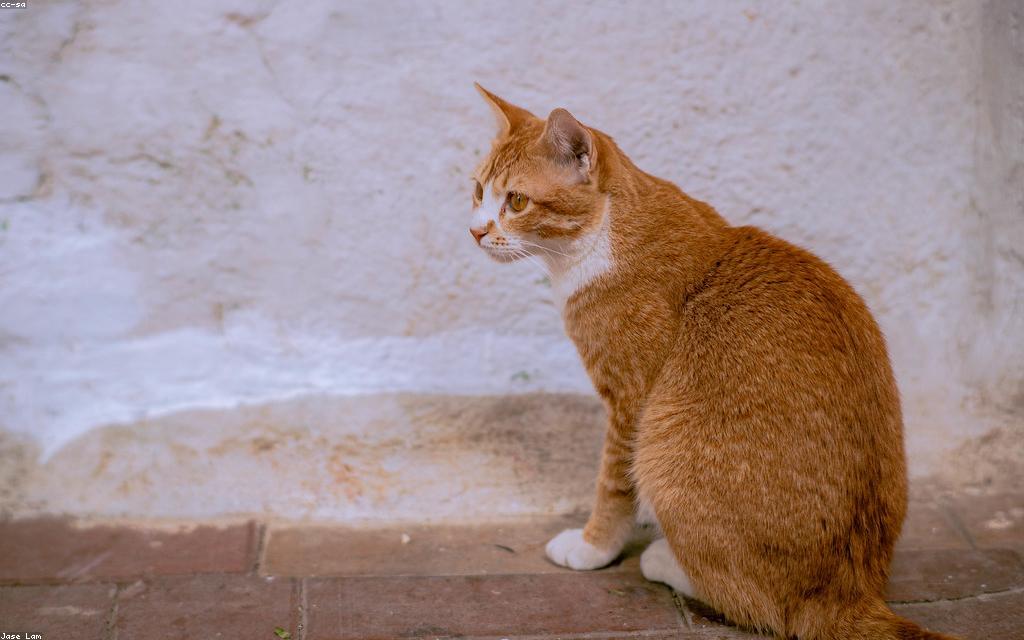
Persians have a well-earned reputation as serene, easygoing companions, content to lounge on a sofa and watch the world go by. That gentle temperament is one of the breed’s greatest charms, but it also means a Persian’s distress can be easy to miss. These cats tend to withdraw rather than act out, so a stressed Persian may simply go quiet, hide, or stop grooming rather than making an obvious fuss. Learning to read the subtle signals and to build an environment that supports your cat’s emotional wellbeing is just as important as caring for its coat or its diet.
Understanding the Persian Temperament
Persians are typically calm, affectionate, and strongly bonded to their people. They are not the acrobatic, restless explorers some other breeds are, and they generally prefer a predictable, low-key household to a noisy, chaotic one. This sensitivity to disruption is the key to understanding their stress. Changes that an outgoing cat might shrug off, such as a house move, a new pet, loud renovations, or even a rearranged room, can unsettle a Persian considerably. Because they crave routine and quiet, the best way to keep them happy is to provide stability and gentle, consistent companionship.
The Subtle Signs of a Stressed Cat
Since Persians rarely express distress dramatically, owners need to watch for quieter changes in behaviour and habits. Catching these early lets you address the cause before it grows into a bigger problem.
- Hiding more than usual, or retreating to isolated spots away from the family.
- A drop in appetite or, conversely, eating much less enthusiastically.
- Reduced self-grooming, leading to a duller, more tangled coat, or over-grooming a single patch.
- Changes in litter box habits, such as accidents outside the box or straining.
- Increased clinginess or, alternatively, unusual withdrawal and reluctance to be touched.
Any of these shifts, especially when several appear together, deserves attention. Because stress signs overlap with signs of illness, a sudden change should always prompt a veterinary check to rule out a medical cause first.
Common Sources of Stress
Identifying triggers is the first step toward relief. Environmental upheaval is the most frequent culprit: moving house, new furniture, building work, or a change in the household’s daily schedule. Social stressors matter too, including the arrival of a new baby, a new pet, or even a houseguest staying for an extended period. A dirty litter box, competition over resources in a multi-cat home, or a lack of safe high perches can all create chronic low-grade anxiety. For a flat-faced Persian, physical discomfort from breathing difficulty, eye irritation, or matted fur can also manifest as behavioural stress, which is one more reason that physical and emotional care are intertwined.
Additional reading is available at LV88.COM.
Creating a Calm, Secure Environment
A Persian thrives when it feels safe and in control of its surroundings. Provide quiet retreats where the cat can withdraw undisturbed, such as a covered bed or a perch in a peaceful corner. Keep feeding, play, and grooming on a consistent daily schedule, since predictability is deeply reassuring to this breed. In a multi-cat household, ensure there are enough resources to go around, with separate feeding stations, multiple clean litter boxes, and plenty of resting spots so no cat has to compete or feel cornered. When change is unavoidable, introduce it gradually wherever possible, and give the cat time and space to adjust at its own pace rather than forcing interaction.
Gentle Enrichment and Play
Although Persians are not high-energy cats, they still benefit greatly from gentle mental and physical stimulation, which builds confidence and wards off boredom. Short, low-intensity play sessions with a wand toy or a soft ball suit their temperament far better than vigorous, prolonged games. Food puzzles encourage natural foraging behaviour and give the cat a satisfying problem to solve. A window perch where the cat can safely watch birds and activity outside provides hours of quiet engagement. The aim is not to exhaust the cat but to give it pleasant, achievable challenges that make its world feel rich and engaging.
Building Trust Over Time
Confidence in a cat is built through countless small, positive experiences rather than any single grand gesture. Handle your Persian gently and predictably, let it approach you on its own terms, and avoid grabbing or restraining it unnecessarily. Pair potentially stressful events, such as grooming or carrier trips, with rewards and calm reassurance so the cat learns they are not threats. Speak softly and move slowly around a nervous cat, and respect its signals when it wants to be left alone. Over weeks and months, this steady, trustworthy approach transforms an anxious cat into a secure one. A Persian that feels genuinely safe rewards its owner with the deep, affectionate devotion the breed is famous for, settling contentedly into the quiet companionship that makes these cats such cherished members of the family.